
Learn How to Select, Position and Manage Spill Absorbents as Part of an Effective Spill Response Plan and ISO 14001 Environmental Management System
A spill can escalate quickly. Without the right equipment, procedures, and training, a relatively small leak can become a significant environmental, health and safety, and operational issue.
Having spill absorbents on site is an important part of spill preparedness, but simply keeping a few spill kits in convenient locations is not enough. An effective spill absorbent response plan should identify potential spill risks, specify the right absorbents, determine where to position them, and ensure employees know what to do when an incident occurs.
A well-planned approach can help businesses respond quickly, reduce the potential environmental impact of spills and support their wider environmental compliance and environmental management objectives.
What Is a Spill Absorbent Response Plan?
A spill absorbent response plan sets out how your organisation will prepare for, respond to and recover from liquid spills.
It should consider:
- What substances could be spilt
- Where spills are most likely to occur
- The potential volume of a spill
- The environmental and health and safety risks
- Which spill absorbents are appropriate
- Where response equipment should be located
- Who is responsible for responding
- What procedures should be followed
- How equipment will be inspected and replenished
- How spills and near misses will be reported and reviewed.
The aim is to make sure that when a spill occurs, people have the right equipment, in the right place, and know what to do with it.
Step 1: Identify Your Spill Risks
The first step is to understand what could spill, where it could happen and how a spill could affect your site and the surrounding environment.
Carry out a site assessment covering areas such as:
- Chemical and raw material storage
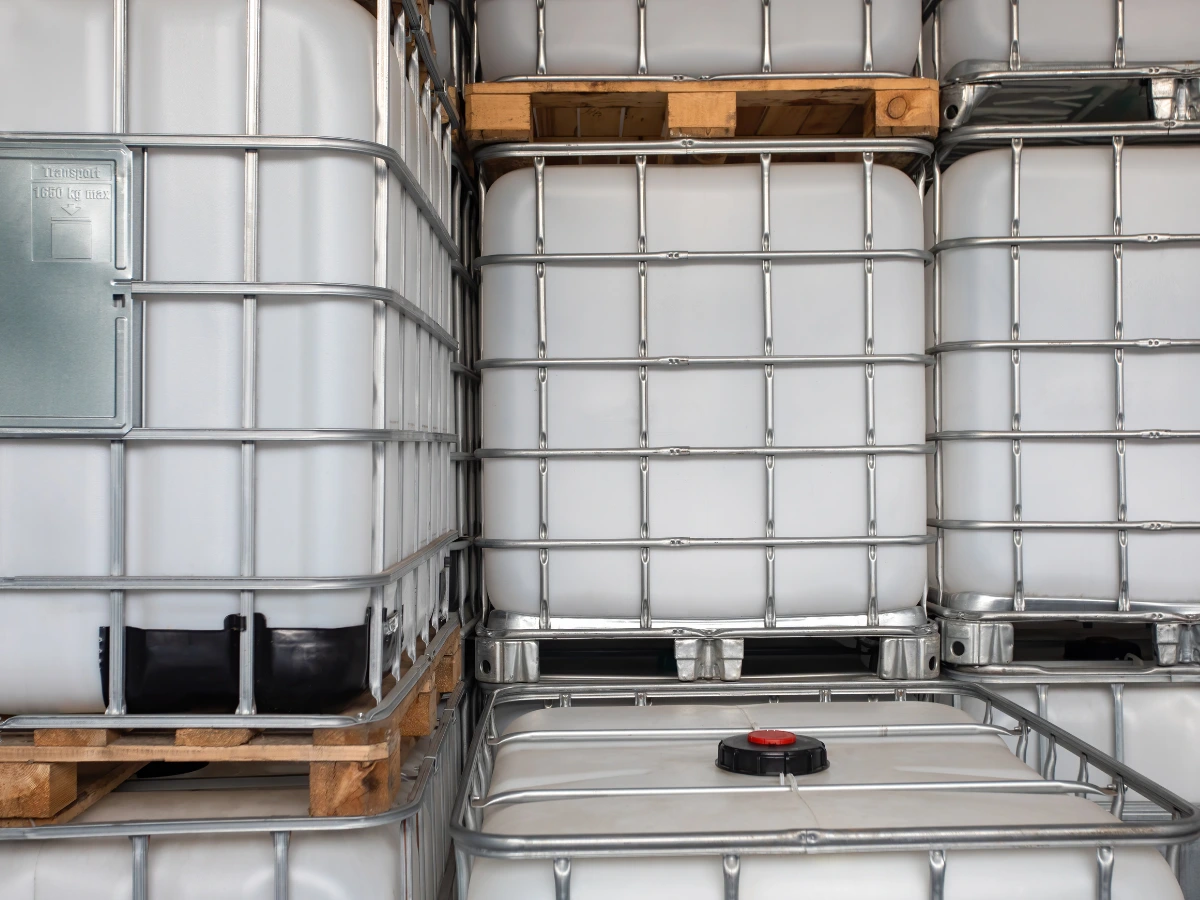
- IBCs and drum storage
- Loading and unloading areas
- Production and processing areas
- Maintenance workshops
- Waste storage
- Refuelling areas
- Plant and vehicle routes
- Drainage points
- Areas close to watercourses or other environmentally sensitive locations.
Consider both routine activities and less predictable events, such as damaged containers, equipment failure, vehicle collisions or loss of containment.
For each area, identify the substances present, their properties and the potential spill volume. This information will help you determine the most appropriate spill absorbents and containment equipment.
It is also important to consider where a spilt liquid could travel. A spill that reaches a surface water drain or watercourse can have much greater environmental consequences than one that remains contained within a bunded area.
Step 2: Select the Right Spill Absorbents
The best spill absorbent depends on the substance being handled and the circumstances in which a spill could occur.
Maintenance Absorbents
Maintenance, or general-purpose, absorbents are suitable for many common industrial liquids, including oils, water-based liquids and some non-aggressive chemicals.
They can provide a versatile solution for general maintenance and production areas where a range of liquids may be encountered.
Oil-Only Absorbents
Oil-only absorbents are designed to absorb hydrocarbons while repelling water.
They are particularly useful for oil and fuel spills, especially outdoors or in areas where rainwater or standing water may be present. They can also be used to absorb oil spills on water as they’ll float.
Chemical Absorbents
Chemical absorbents are designed for use with a wider range of aggressive and hazardous liquids.
They are commonly used where chemicals are stored, handled or transferred. Always check the manufacturer’s compatibility guidance and the relevant Safety Data Sheet before selecting an absorbent for a specific chemical.
Choose the Right Format
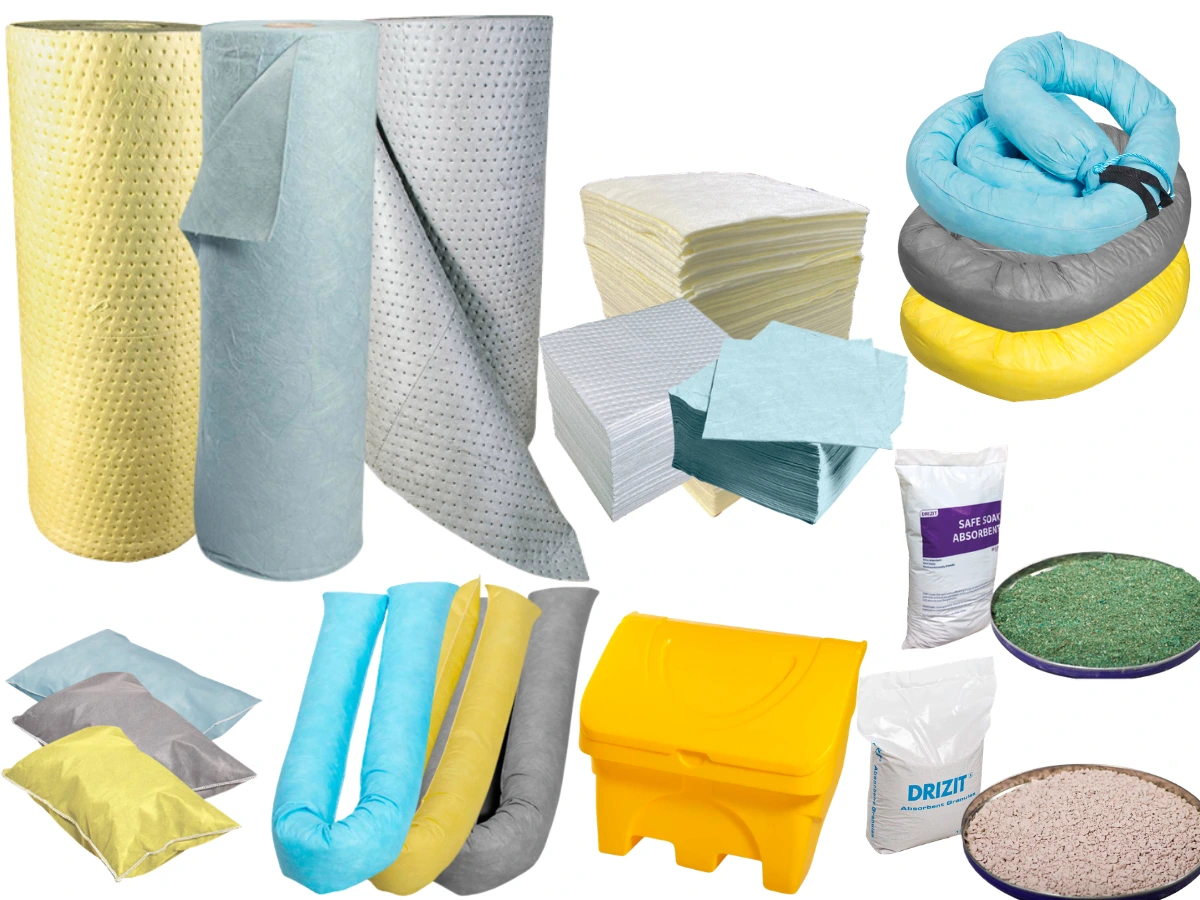
Spill absorbents are available in different formats; each suited to different stages of a response:
- Pads for quickly absorbing smaller spills
- Rolls for covering larger areas
- Socks for containing and surrounding spills
- Pillows for absorbing larger quantities of liquid
- Booms for containing spills and protecting drains
- Granular absorbents for uneven surfaces and difficult-to-reach areas.
A combination of products may provide the most effective response. For example, absorbent socks can be used to contain a spill while pads or rolls are used to absorb the liquid.
Step 3: Determine How Much Absorbent You Need
Having the right type of absorbent is only part of effective spill preparedness. You also need enough of it.
Consider the maximum credible spill volume for each area rather than relying on the same standard-sized spill kit throughout the site.
A small maintenance area may only require a compact kit, while an area containing large IBCs, drums or process vessels may need substantially more absorbent and additional containment equipment.
When assessing quantities, consider:
- The size and number of containers
- Potential failure points
- How quickly a spill could spread
- Whether drainage needs to be protected
- How much absorbent would be required to contain and recover the maximum credible spill
- How quickly used equipment can be replaced.
Your response equipment should reflect the actual risks of the site.
Step 4: Position Spill Absorbents Where They Are Needed
A spill kit that is difficult to access during an emergency is unlikely to provide an effective response.
Spill absorbents should be positioned close to potential spill sources and along likely spill pathways.
Consider placing response equipment near:
- Chemical and raw material storage
- IBC and drum storage
- Loading bays
- Production areas
- Maintenance workshops
- Waste storage
- Refuelling points
- Drainage points
- Areas where liquids are transferred or decanted.
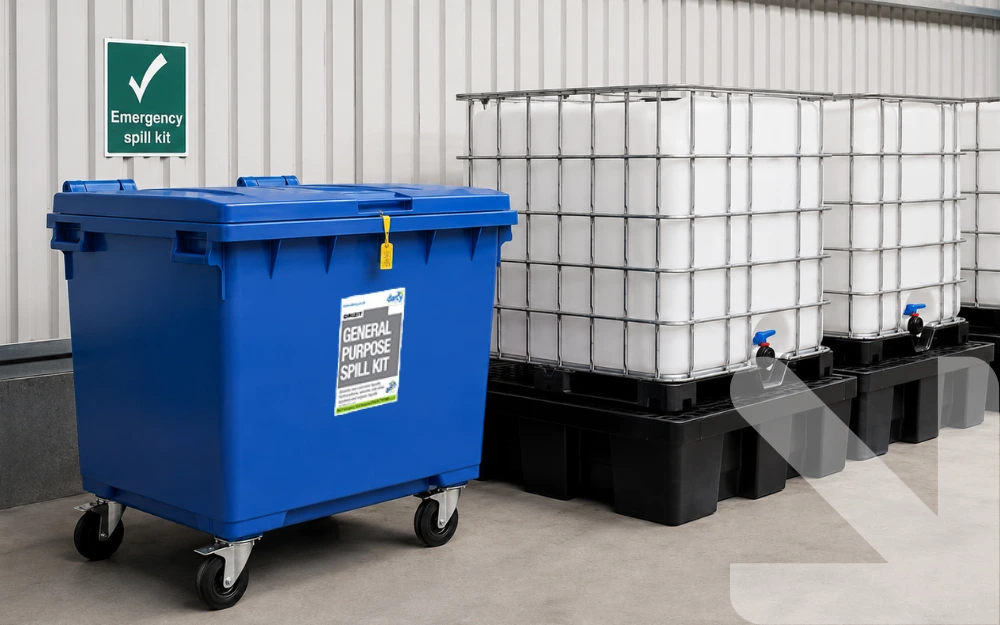
Equipment should be clearly identified, easy to access and protected from damage.
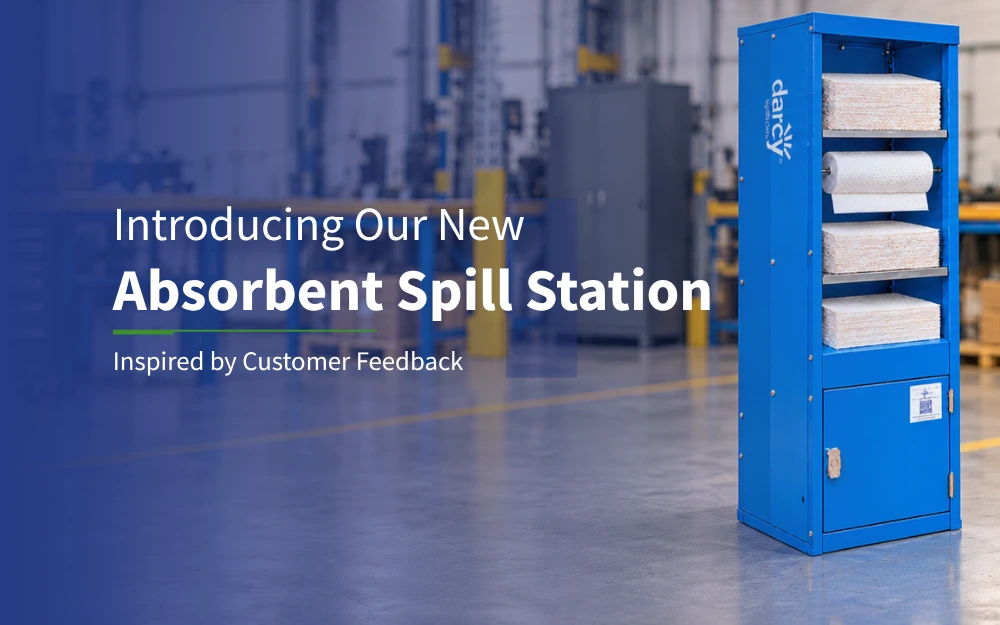
For larger sites, clearly marked spill response stations can make it easier for employees to find the appropriate equipment quickly.
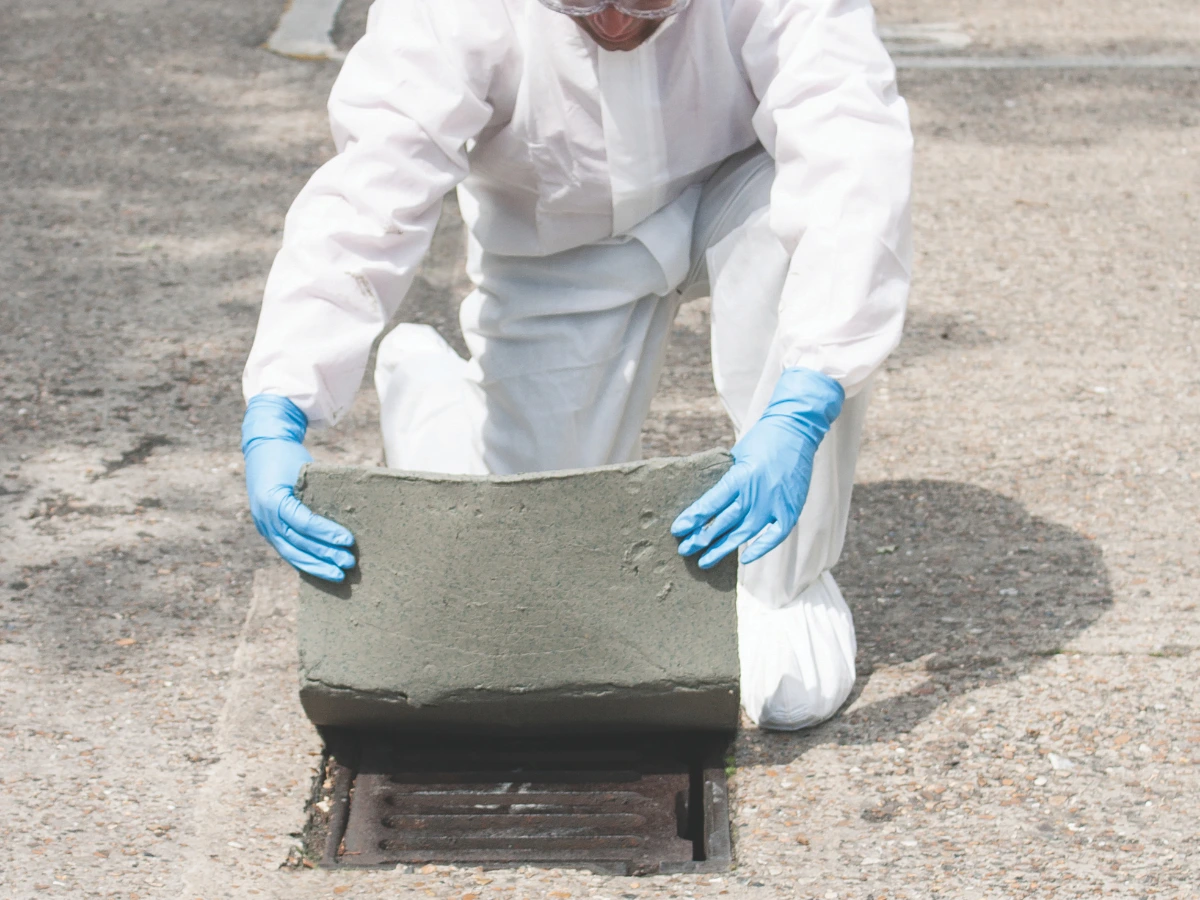
The location of drains should also be considered. Where there is a risk of a spill entering drainage infrastructure, keep suitable drain protection and containment equipment readily available.
Step 5: Create a Clear Spill Response Procedure
Employees should not have to work out what to do during an emergency.
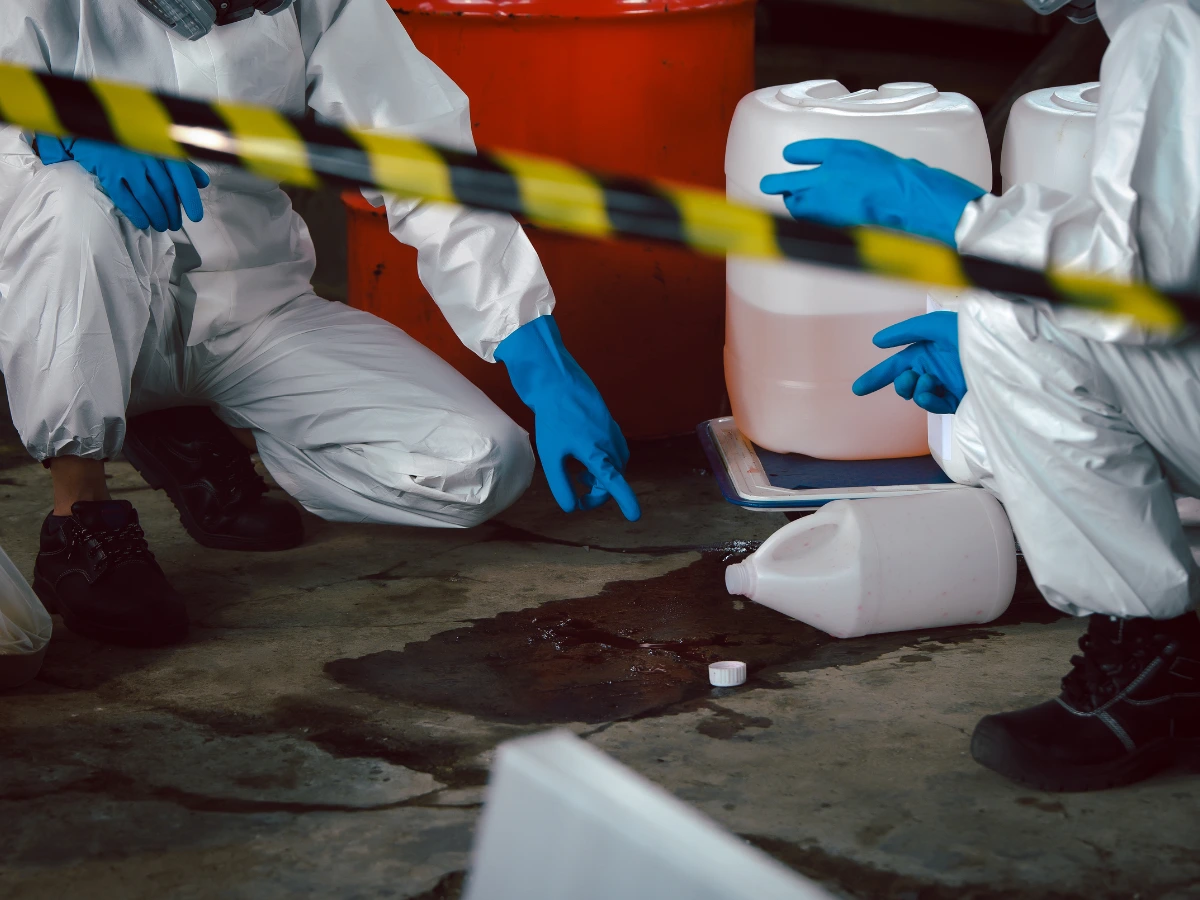
Your spill response procedure should provide a clear sequence of actions, such as:
1. Raise the alarm and notify the appropriate personnel.
2. Identify the substance, if it is safe to do so.
3. Check the Safety Data Sheet for relevant hazards and response information.
4. Put on the appropriate PPE.
5. Stop the source of the spill if it is safe to do so.
6. Protect nearby drains and environmentally sensitive areas.
7. Contain the spill using appropriate socks, booms or other equipment.
8. Apply the correct absorbents to the spilt liquid.
9. Collect the saturated absorbents and contaminated materials safely.
10. Dispose of waste appropriately in accordance with applicable requirements.
11. Report and investigate the incident and replenish the response equipment.
The procedure should also establish clear limits for employees dealing with spills themselves. Larger, hazardous or uncontrolled spills may require evacuation and assistance from trained personnel or specialist contractors.
Step 6: Train Employees
The most effective spill response equipment will not help if employees do not know where it is or how to use it.
Anyone who may be expected to respond to a spill should understand:
- Where spill equipment is located
- Which absorbents are available
- Which absorbent should be used for different substances
- How to deploy socks, pads, rolls and other equipment
- How to protect drains
- What PPE is required
- Where to find relevant Safety Data Sheets
- When a spill should be escalated
- How to report an incident.
Practical spill response training can help employees become more confident and ensure that procedures work in practice rather than simply existing as written documents.
Step 7: Inspect and Replenish Your Spill Absorbents
Spill response equipment should form part of your site’s routine inspection programme.
Regular checks should confirm that:
- Spill kits are present and accessible
- Absorbents have not been used or removed
- Packaging is intact
- The correct absorbent types are available
- PPE and other response equipment are present
- Signage remains visible
- Equipment has not been damaged or contaminated
- Changes to the surrounding area have not created new risks.
After a spill, all used equipment should be replaced as soon as possible.
It is also worth recording inspections and replenishment activities. This provides evidence that spill response equipment is being actively managed rather than simply purchased and left on site.
How Do Spill Absorbents Support ISO 14001?
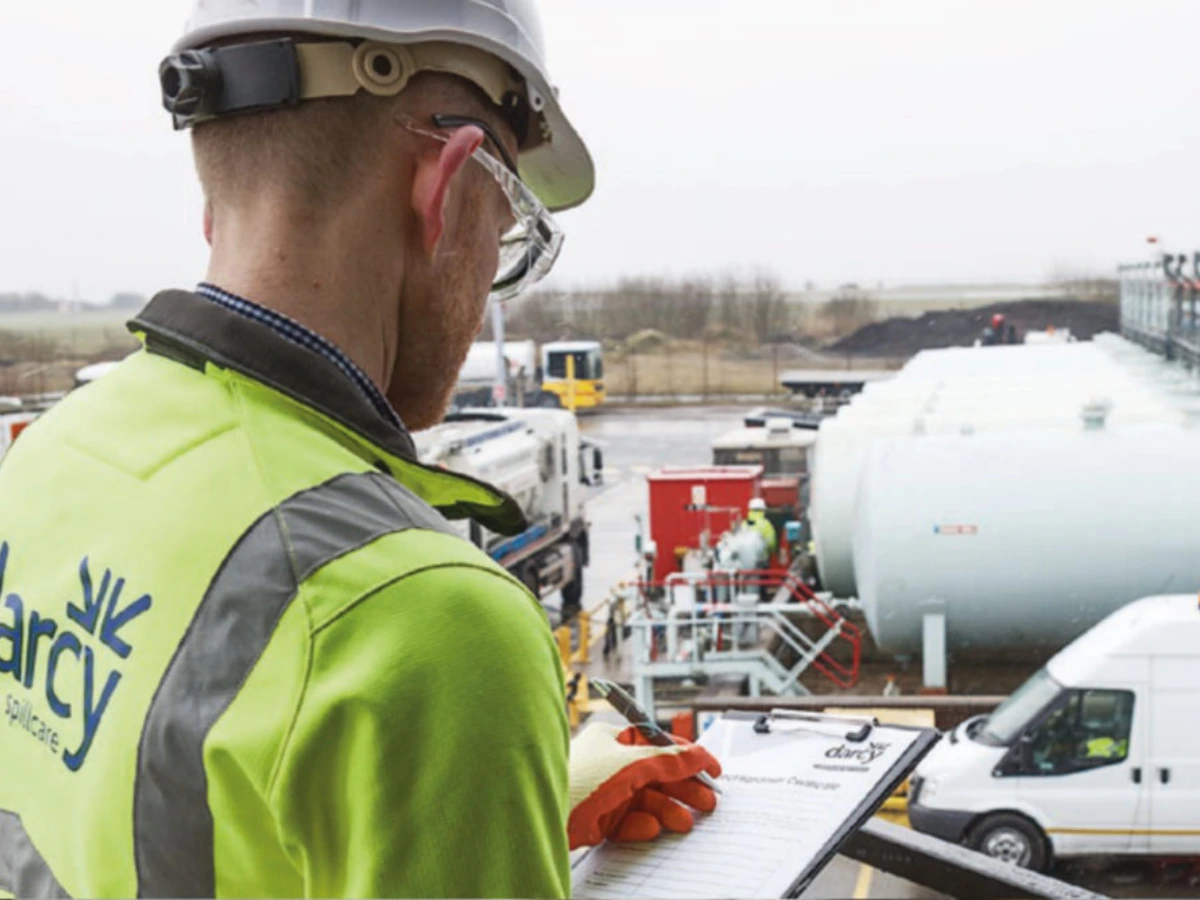
Spill absorbents can support an ISO 14001 environmental management system by helping an organisation identify, control and respond to environmental risks associated with spills.
ISO 14001 does not prescribe a particular spill absorbent, spill kit or brand of equipment. Instead, organisations need to identify their relevant environmental aspects and risks, establish appropriate controls and demonstrate that they are prepared to respond to potential environmental emergencies.
A well-managed spill absorbent response plan can support this by helping your organisation:
Identify Environmental Risks
The process of assessing where spills could occur, what could be released and where those liquids could travel supports the identification and management of environmental risks.
Establish Operational Controls
Selecting appropriate absorbents and placing them at identified spill-risk locations provides a practical control for reducing the potential impact of a loss of containment.
Prepare for Environmental Emergencies
ISO 14001 includes requirements around preparedness and response to potential emergencies. Having suitable absorbents, containment equipment, procedures and trained personnel available can form part of that emergency preparedness.
Demonstrate Competence and Awareness
Training employees on spill response procedures helps demonstrate that relevant personnel understand the environmental risks associated with their activities and know how to respond.
Monitor and Improve
Regular inspections, incident reporting and post-spill reviews provide opportunities to identify weaknesses and improve the response plan.
For organisations working towards or maintaining ISO 14001 certification, spill response should therefore be considered as part of the wider environmental management system rather than as a standalone purchase of spill kits. Once your response plan is established, regular review and improvement can help ensure it continues to reflect the site’s environmental risks and operational needs.
Step 8: Review and Improve Your Spill Response Plan
A spill response plan should not be a one-off exercise.
Your site, processes and environmental risks can change over time. Review your plan following:
- A spill or near miss
- Introduction of new chemicals or materials
- Changes to production processes
- Changes to storage arrangements
- Site expansion or layout changes
- Changes to drainage
- Environmental incidents
- Audit findings
- Changes to relevant legal or regulatory requirements.
Use incidents and inspections to identify what worked, what did not and where improvements could be made.
For example, if a spill kit was difficult to reach, the absorbent was unsuitable, or there was not enough equipment available, update the response plan rather than simply replacing what was used.
Build a Spill Response Plan That Works
Effective spill preparedness is about more than having spill kits on site. It means understanding your risks, selecting appropriate spill absorbents, positioning them where they can be accessed quickly and ensuring employees know how to respond.
A structured response plan can help reduce the potential environmental impact of spills while supporting environmental compliance, emergency preparedness and the continual improvement principles of an ISO 14001 environmental management system.
At Darcy, we can help you assess your spill risks and identify the appropriate absorbents, spill kits and containment equipment for your site. From individual response stations to site-wide spill preparedness, our team can help you develop a practical approach that supports environmental protection, health and safety and operational resilience.
Need help reviewing your spill response arrangements? Contact Darcy to discuss your requirements.
Table of Contents
- What Is a Spill Absorbent Response Plan?
- Step 1: Identify Your Spill Risks
- Step 2: Select the Right Spill Absorbents
- Step 3: Determine How Much Absorbent You Need
- Step 4: Position Spill Absorbents Where They Are Needed
- Step 5: Create a Clear Spill Response Procedure
- Step 6: Train Employees
- Step 7: Inspect and Replenish Your Spill Absorbents
- How Do Spill Absorbents Support ISO 14001?
- Step 8: Review and Improve Your Spill Response Plan
- Build a Spill Response Plan That Works
Sign up for the latest news and offers