
When Every Second Counts, the Right Equipment Matters
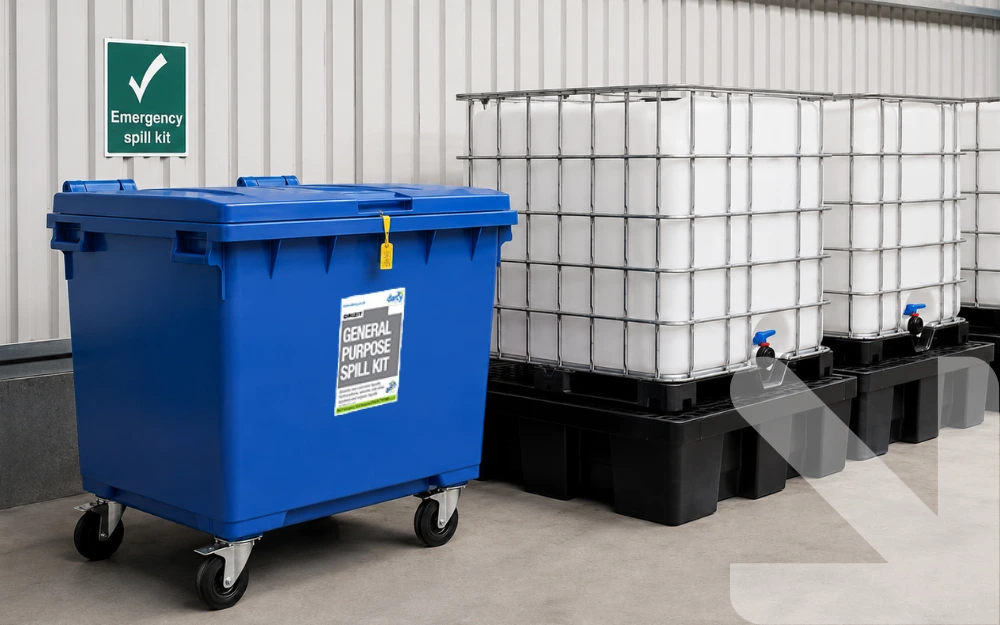
Spills rarely happen at a convenient time. Whether it’s a leaking drum, a ruptured IBC or a vehicle incident, the first few minutes of a spill response are critical. Having the right emergency spill kit on hand can be the difference between a minor incident and a reportable environmental breach.
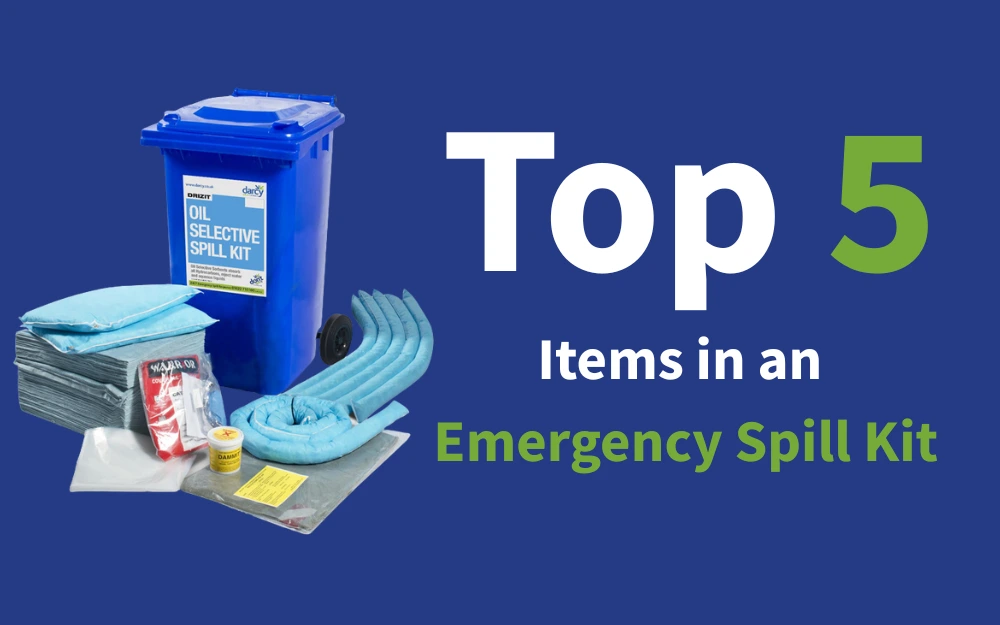
A well-equipped spill kit enables fast, effective action — helping you contain the spill, protect drains and watercourses, and reduce clean-up time and costs. Below, we break down the top five essential items every emergency spill kit should contain, and why each one matters when seconds count.
1 – Drain Protection
Contain the spill before it spreads.
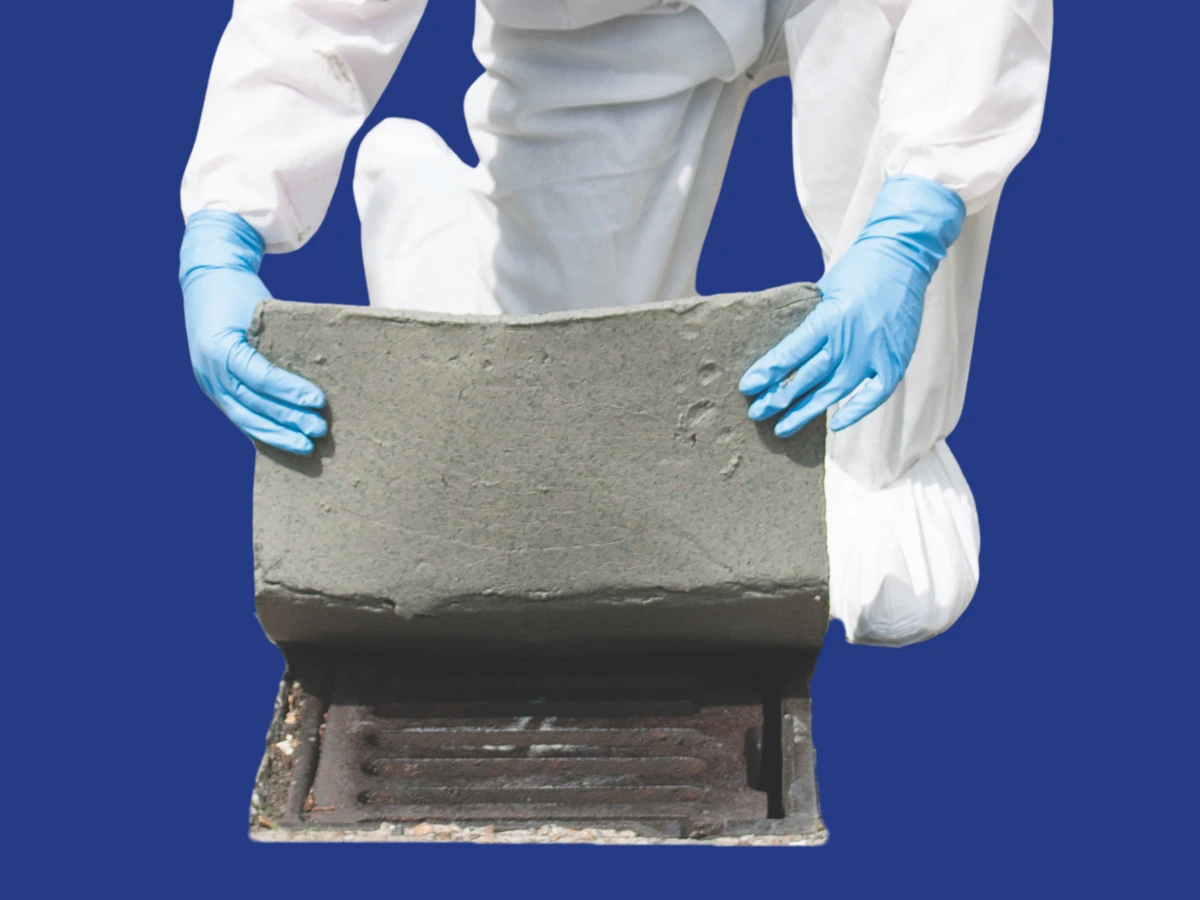
Preventing pollutants from entering drains is the single most important first step in any spill response. Once liquids reach surface water drains, they can quickly flow into protected watercourses, dramatically increasing environmental impact and regulatory risk.
Drain protection products — such as drain covers, mats or seals — are designed to be deployed immediately over nearby drains. They create a temporary barrier that buys valuable time, allowing responders to control and clean up the spill safely.
Why it matters:
- Stops contaminants from reaching watercourses
- Reduces the risk of environmental damage and prosecution
- Helps demonstrate prompt and responsible spill response.
2 – The Right Mix of Absorbents
Pads, cushions and socks — used correctly.
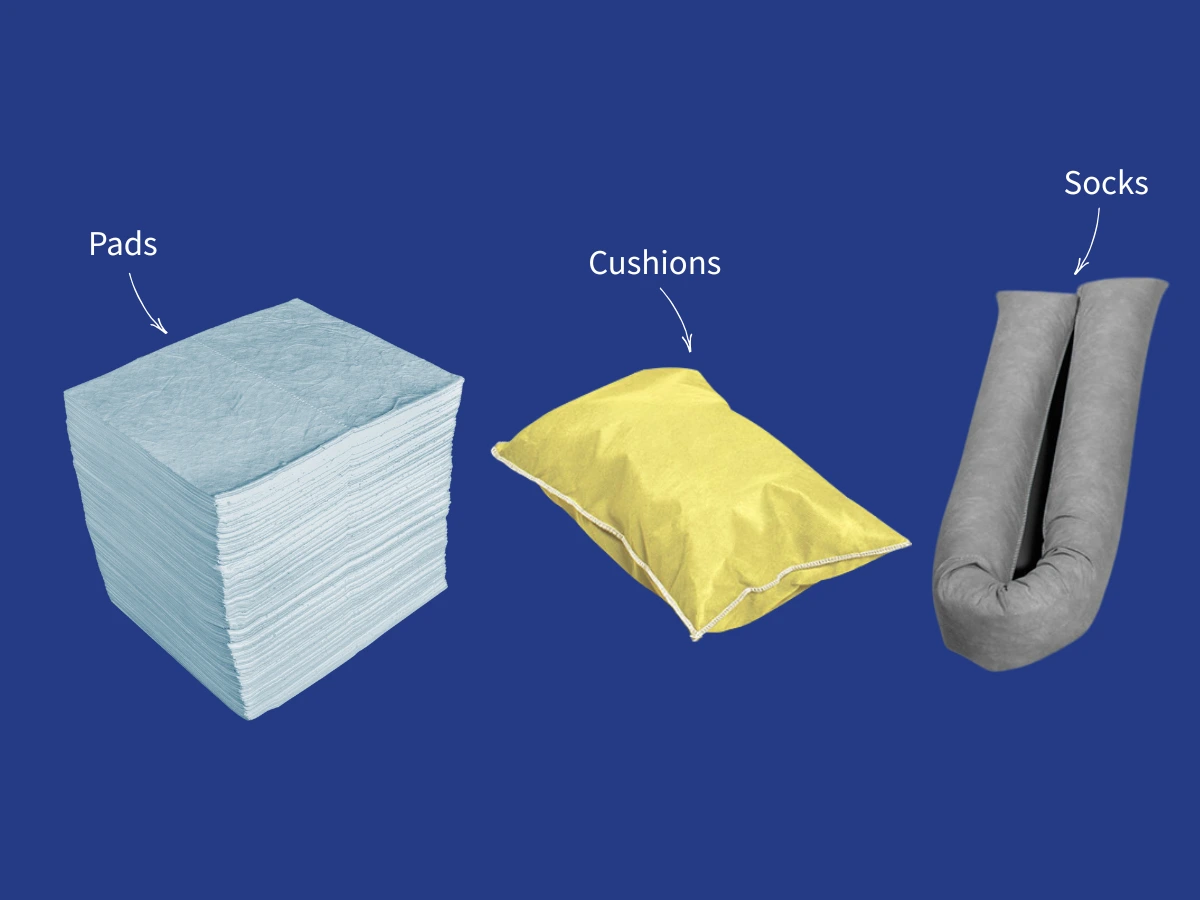
Absorbents are the backbone of any spill kit, but effectiveness depends on having the right type, size and quantity for your risks. Pads are ideal for surface spills, cushions work well for pooling liquids, and socks are used to contain and channel spills.
Length and grade are just as important as type. For example, it’s far quicker and more effective to deploy a single 3-metre absorbent sock than several shorter ones with gaps that allow liquid to escape.
Absorbents should also be selected based on the liquids present:
Absorbents should also be selected based on the liquids present:
- Oil for absorbing hydrocarbons like fuel, oil and diesel, whilst repelling water
- Chemical for absorbing corrosive chemicals and hazardous liquids
- Maintenance for absorbing non-aggressive liquids, hydrocarbons and mild chemicals.
Why it matters:
- Faster deployment and better containment
- Reduced waste and cleaner results
- Safer working environment for responders.
3 – Booms
For larger spills and heavier flows.
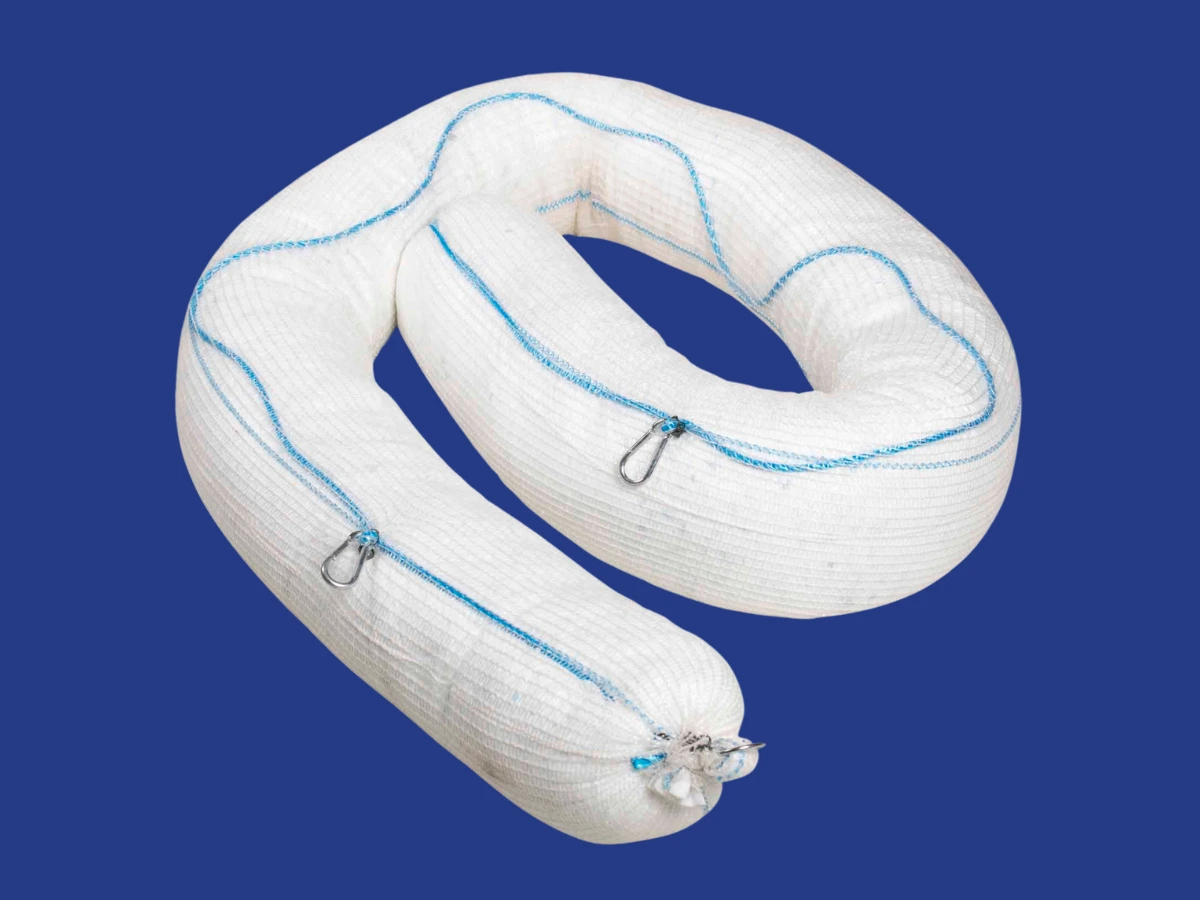
When spills are too large or fast-moving for standard absorbents, booms provide a more robust containment solution. Heavier and more stable than socks, booms are designed to stay in place, even in outdoor or challenging conditions.
Booms are particularly effective for:
- Large volume spills
- Outdoor incidents
- Flowing liquids or uneven surfaces.
Unlike lightweight absorbents, booms won’t blow away in windy conditions and can handle greater volumes without becoming overwhelmed.
Oil-absorbent booms can be deployed on water as they’re hydrophobic. They’re often used near shore and on inland waterways.
Why it matters:
- Improved control of large or dynamic spills
- Greater durability in external environments
- Enhanced containment where absorbents alone are not enough.
4 – Dammit® or Sealing Compound
Stop leaks at the source.
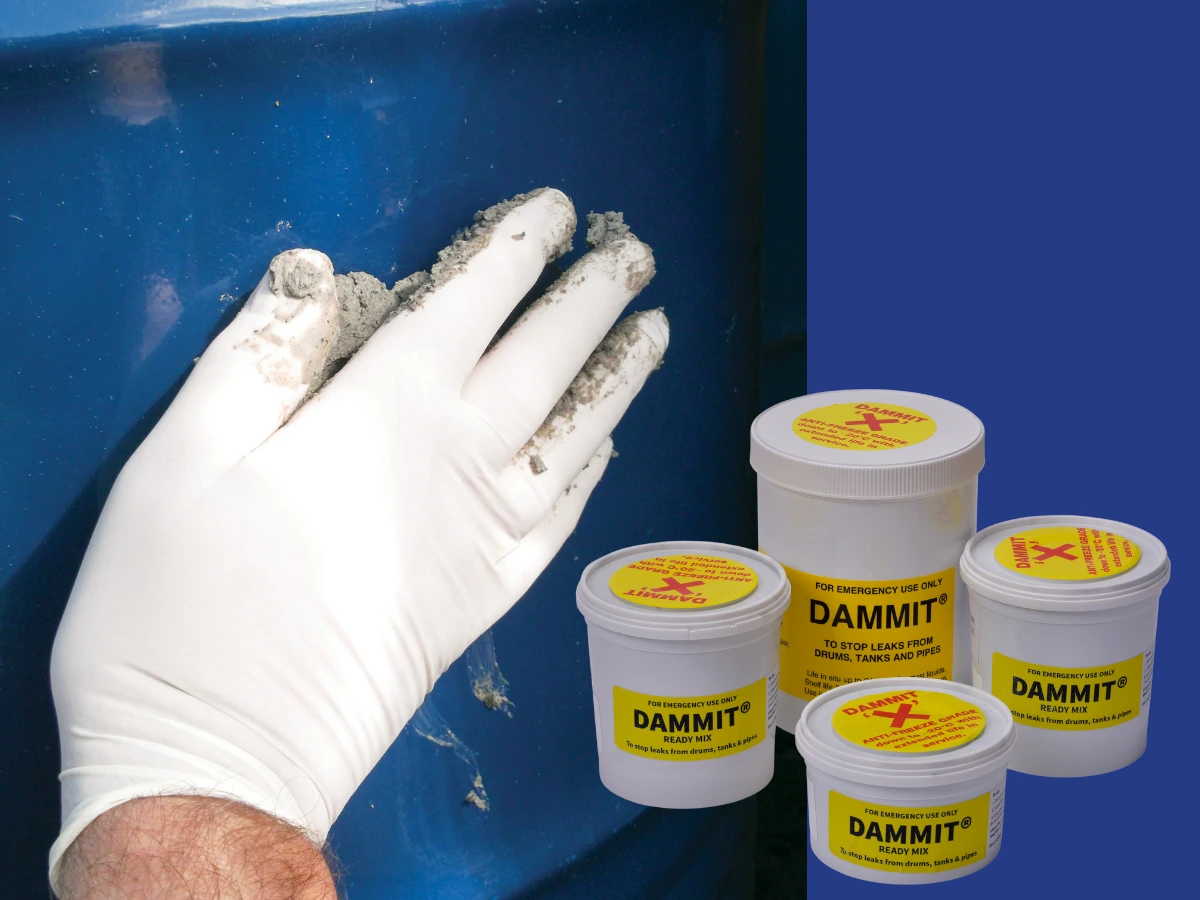
Containing a spill is essential. But stopping it altogether is even better. Sealing compounds such as Dammit® are designed to quickly plug holes, cracks or punctures in drums, tanks and pipework.
These compounds are mouldable, fast-acting and compatible with a wide range of chemicals. They allow responders to stem the flow of liquid while clean-up operations are underway, preventing further loss of product.
Why it matters:
- Minimises the volume of spilt material
- Reduces clean-up time and disposal costs
- Enables faster control of ongoing leaks.
5 – Balanced Kit Contents
Right equipment, right location.
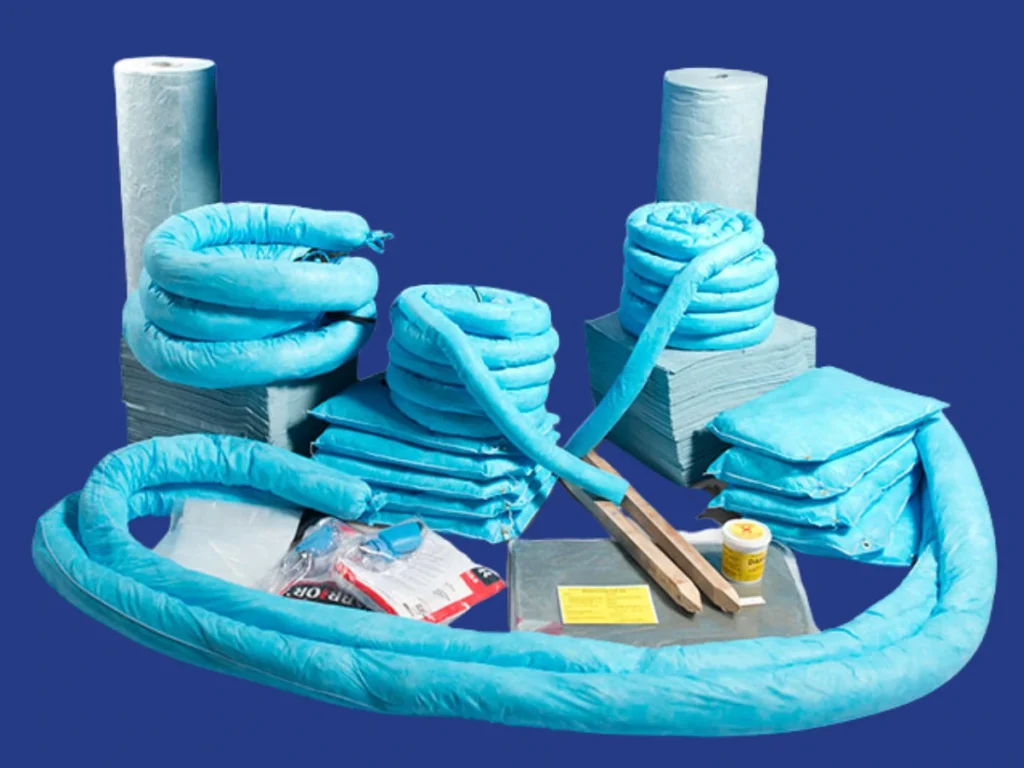
Not all spill kits should be the same. A well-balanced kit is one that reflects the specific risks of its location, whether that’s oils in a maintenance area, chemicals in a production space, or fuels near vehicle loading bays.
Consider:
- Types of liquids stored or used
- Maximum potential spill volume
- Proximity to drains and watercourses
- Indoor vs outdoor environments.
Spill kits should be clearly labelled, easy to access, and regularly checked to ensure contents are complete and serviceable. In an emergency, no time should be wasted searching for missing or unsuitable equipment. Read our Spill Kit Best Practices blog post for more information.
Why it matters:
- Faster, more confident spill response
- Reduced downtime and disruption
- Improved compliance with environmental guidance.
Be Ready Before a Spill Happens
A spill kit is only effective if it’s properly equipped and ready for use. By ensuring your emergency spill kits include these five essential components, you can respond quickly, limit environmental impact and protect your business from unnecessary risk.
If you’re unsure whether your current spill kits are suitable for your site, or need help selecting compliant solutions, speak to a spill control expert for tailored advice. Preparing in advance is always easier — and far less costly — than reacting after the damage is done.
Darcy Spillcare offers a comprehensive range of emergency spill kits suitable for spills of all types and sizes. They contain everything needed for immediate spill containment and clean-up. Kits are supplied in clearly marked containers and are available in oil, chemical and maintenance variants to help you meet with EA guidelines and legislation and assist with ISO 14001 compliance.
Sign up for the latest news and offers