
6 Ways to Keep Your Spill Response Ready and Compliant
An effective spill response relies on more than just having spill kits on site. Correct placement, routine checks and clear procedures all play a role in ensuring equipment is ready when an incident occurs — and that your site remains compliant.
1 – Place Spill Kits in High Risk Locations
Spill kits should be positioned close to where spills are most likely to occur, such as fuel storage areas, loading bays, plant rooms or chemical handling points. Select the correct spill kit for the type of liquid that could be released, and ensure the absorbency capacity reflects the maximum volume likely to require clean-up.
2 – Secure Spill Kits With Tamper Tags
Using tamper-proof security tags helps ensure spill kits are only accessed in an emergency. They also make it easy to identify when a kit has been opened and needs checking or replenishing. This simple control supports both readiness and stock management. Buy tamper-proof security tags.
3 – Keep a Spill Kit Register
Maintain a simple register recording each spill kit’s location, type, tamper tag ID and last inspection date. This provides clear visibility of what’s on site and helps identify missing or compromised kits quickly. Make sure there is a clear process for investigating and resolving any discrepancies.
4 – Have a Regular Audit Schedule
Spill kits should be inspected as part of a planned audit schedule, with frequency based on site risk. Regular internal checks help ensure kits are complete, absorbents are serviceable, and any used or damaged items are replaced promptly.
5 – Use a Site Map With Spill Kit Locations
A marked-up site map showing spill kit locations makes them easier to find during an incident. It’s also a useful reference for new starters, spill responders and third parties, helping to reduce response time when it matters most.
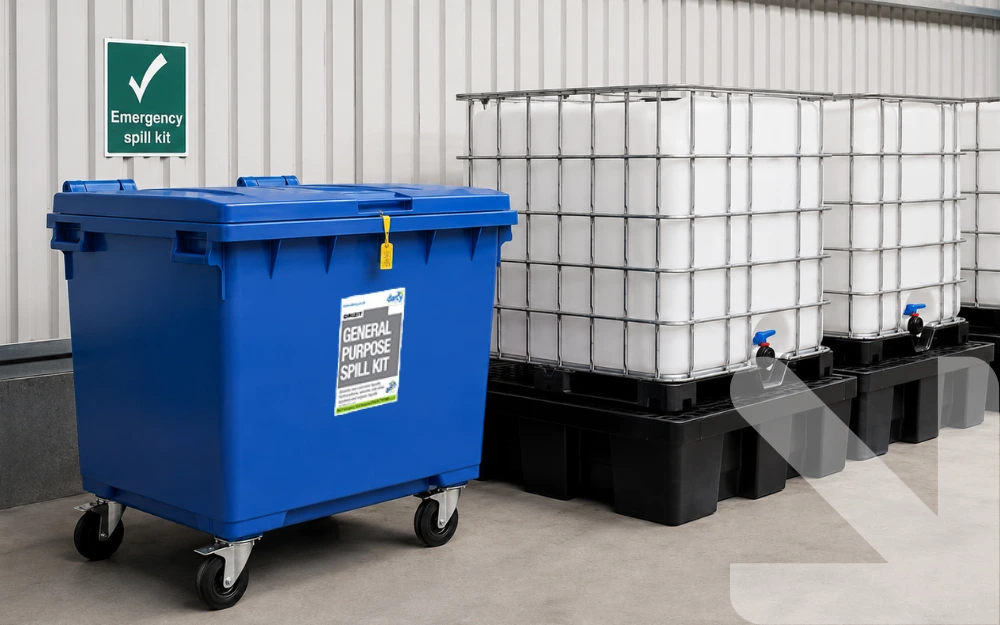
6 – Use Clear Signage To Identify Spill Kits
Spill kits should be clearly visible and easy to identify at a glance. Clear, consistent signage helps ensure they can be located quickly during an emergency. Spill kit signs are available to order on our website.
Need More Help To Get It Right?
We can arrange a spill kit audit on your sites(s) and provide you with a bespoke report detailing our expert yet easy-to-implement recommendations to reduce risk from spills to the environment and the health and safety of your staff.
Sign up for the latest news and offers