
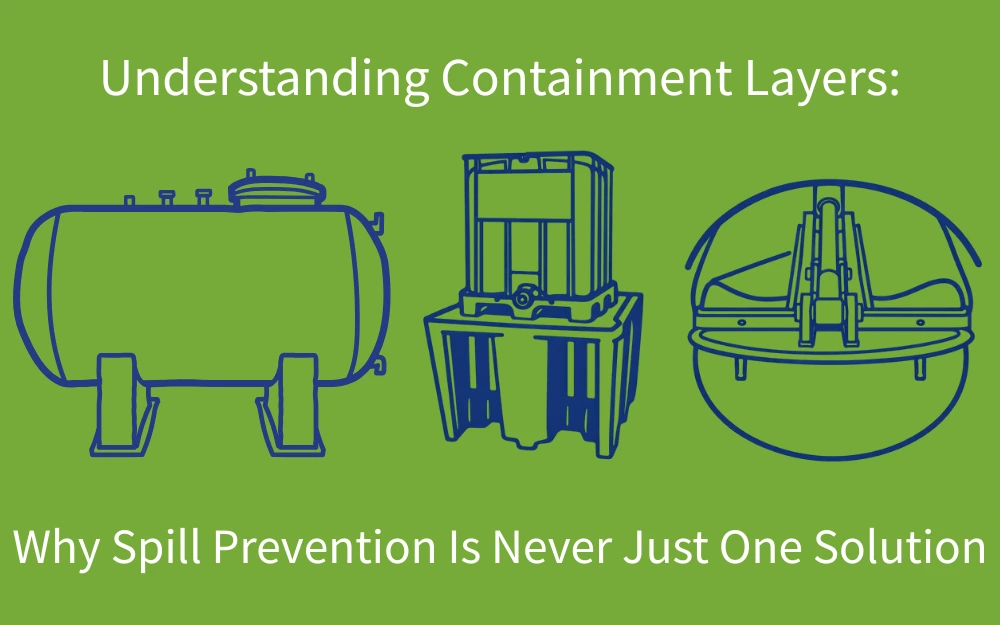
When it comes to spill prevention and environmental protection, relying on a single control measure is rarely enough. Effective containment is built on a layered approach, designed to reduce risk at every stage — from storage through to drainage and the wider environment.
Understanding how these containment layers work together is essential for compliance, good site management and protecting watercourses.
What Are Containment Layers?
Containment layers are best understood as a series of safeguards. If one layer fails, the next is there to prevent a spill from escalating into an environmental incident.
This approach is widely recognised in UK guidance, such as CIRIA C736, and underpins many pollution prevention requirements.
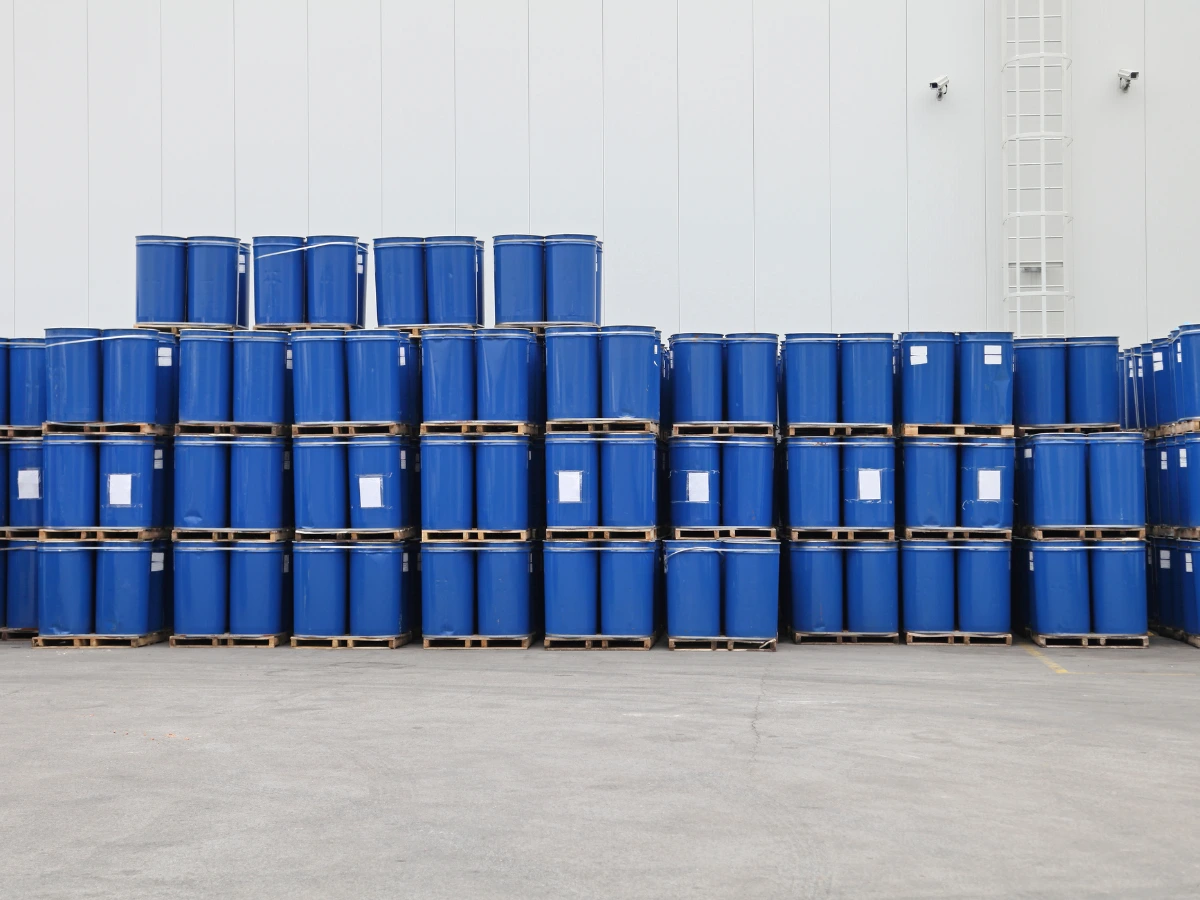
Primary Containment: The First Line of Defence
Primary containment is the system that is intended to hold the liquid under normal operating conditions.
This includes:
- Storage tanks
- Drums and barrels
- IBCs
- Pipework, hoses and process vessels.
When primary containment is well maintained and correctly specified, it prevents spills from occurring in the first place. However, wear, corrosion, impact damage and human error mean that failure is always a possibility, which is why primary containment should never be the only control in place.
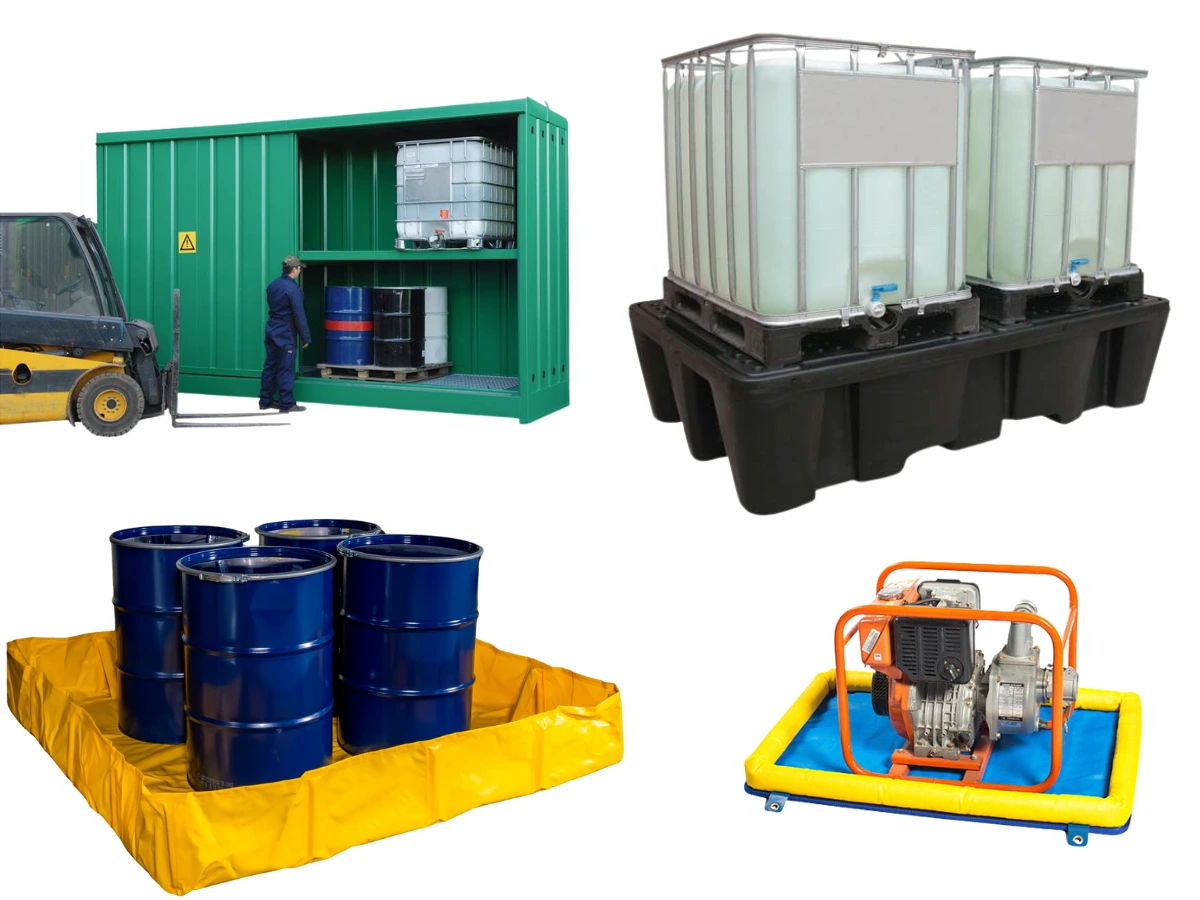
Secondary Containment: Capturing Leaks and Spills
Secondary containment is designed to capture leaks or spills if primary containment fails.
Common examples include:
- Bunds and bund walls
- Bunded pallets and drum stores
- Drip trays
- Temporary or portable bunds.
Secondary containment plays a key role in limiting the spread of contaminants, reducing clean-up costs and helping sites meet regulatory requirements such as the Oil Storage Regulations. It also buys valuable time, allowing staff to respond safely before a spill reaches drains or the wider environment.
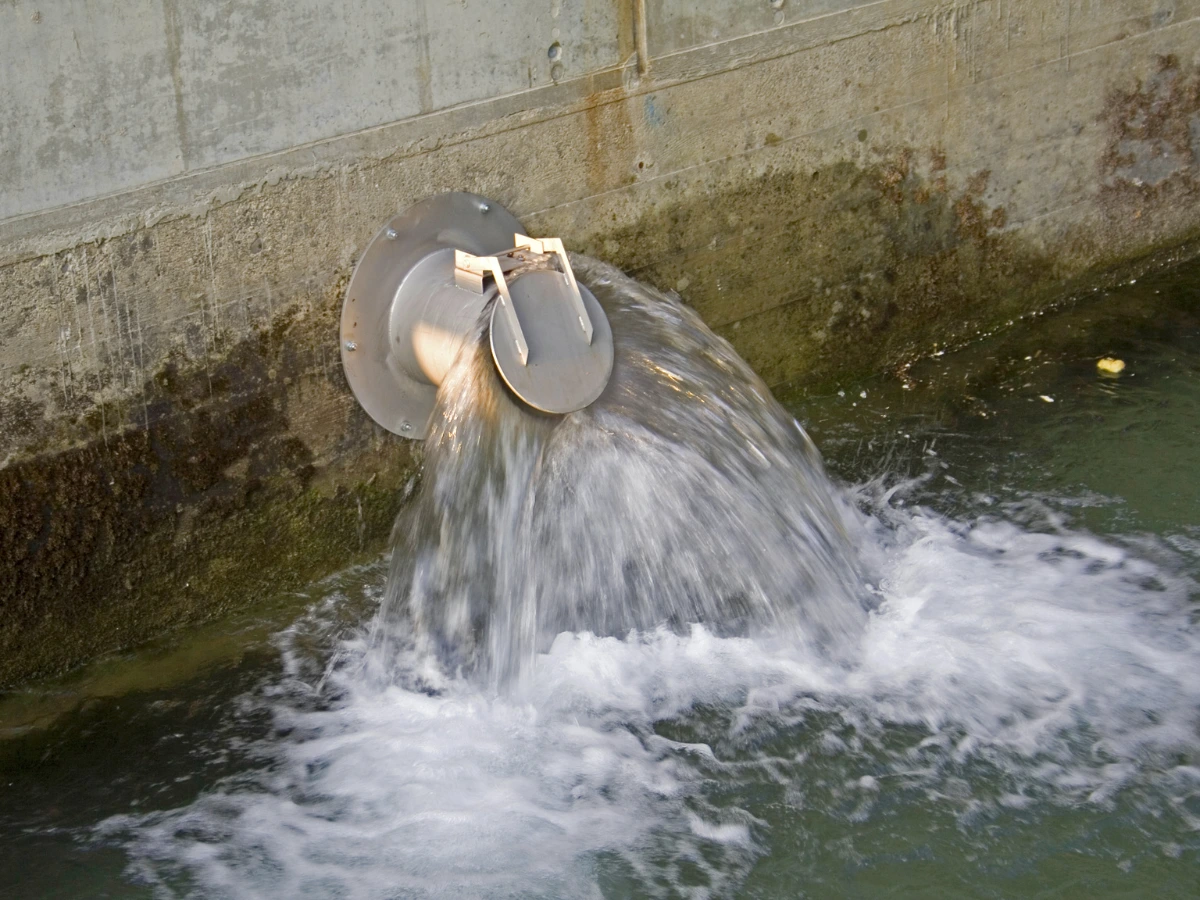
Tertiary Containment: Protecting Drains and Watercourses
Tertiary containment is often the most overlooked layer — yet it is critical for preventing pollution.
This layer focuses on stopping contaminants from entering drainage systems, where they can quickly spread off-site and into watercourses.
Typical tertiary containment measures include:
- Drain covers and drain seals
- Automatic or manual drain shut-off systems
- Barriers and isolation devices for surface water routes.
Once a spill enters the drainage network, the consequences can escalate rapidly. Tertiary containment acts as the final safety net when other controls are overwhelmed or bypassed.
Why a Layered Approach Matters
Each containment layer serves a different purpose, but they are most effective when used together.
If one layer is missing:
- A small leak can become a major spill
- Clean-up costs increase significantly
- Environmental harm becomes more likely
- Compliance risks rise.
By combining primary, secondary and tertiary containment, businesses dramatically reduce the likelihood of pollution incidents while strengthening their overall spill response capability.
Legislation and Guidance Relevant to Containment Layers (UK)
A layered containment approach is strongly supported by UK environmental legislation and best-practice guidance. While different regulations apply depending on the site, substance and sector, the following are particularly relevant:
Environmental Protection Act 1990
This Act establishes the duty of care for waste and pollution prevention. Businesses are responsible for preventing leaks, spills and releases that could cause environmental harm — reinforcing the need for effective containment beyond primary storage.
Environmental Permitting (England and Wales) Regulations 2016
These regulations require operators of regulated facilities to prevent pollution to land and water. Secondary and tertiary containment systems are commonly expected as part of permit conditions and environmental management plans.
Oil Storage (England) Regulations 2001
(And equivalent regulations in Scotland, Wales and Northern Ireland)
These regulations mandate secondary containment (bunding) for oil storage, including tanks, drums and IBCs. Bunds must be impermeable and sized appropriately, forming a clear legal basis for secondary containment.
Control of Pollution (Oil Storage) (Scotland) Regulations 2006
Often more stringent than the England regulations, these reinforce the requirement for robust secondary containment and good spill prevention practices across Scottish sites.
CIRIA C736 – Containment systems for the prevention of pollution
CIRIA 736 is one of the most widely referenced guidance documents for containment design and management. It formalises the concept of primary, secondary and tertiary containment layers, helping organisations assess risk and select appropriate controls for each stage of a spill.
Pollution Prevention Guidance (PPG) / Guidance for Pollution Prevention (GPP)
Although PPG notes have been withdrawn, they have been replaced by GPP documents issued by the UK environmental regulators. These provide practical advice on spill prevention, storage, drainage protection and emergency response — all key elements of tertiary containment.
BSIF Environmental Safeguarding Advice
The British Safety Industry Federation (BSIF) has produced several ESA documents to provide guidance to businesses manage their environmental responsibilities, prevent pollution and comply with the law. The BSIF’s Environmental Safeguarding Advice is recognised by the Environment Agency and the documents can be downloaded from their website.
BS EN 858-1 and BS EN 858-2 (Oil Separator Standards)
These standards apply to oil separator systems and drainage protection, supporting tertiary containment by preventing hydrocarbons from entering surface water drains and watercourses.
Containment Isn’t Optional — It’s Essential
A layered containment strategy protects:
- People – by reducing exposure to hazardous substances
- Sites – by limiting damage and disruption
- The environment – by preventing pollution of land and water.
Whether you manage oil storage, chemicals, wastewater or process fluids, understanding and implementing containment layers is a fundamental part of responsible site operation.
Spill prevention isn’t about one product or one solution; it’s about making sure every layer is in place before it’s needed.

Speak to a Containment Expert
Choosing the right containment solutions isn’t just about products, it’s about understanding risk, regulations and how your site operates day to day.
If you need advice on selecting compliant primary, secondary and tertiary containment for your site, our specialists are here to help. We’ll work with you to assess your requirements and recommend practical solutions that protect your people, your site and the environment.
Sign up for the latest news and offers