
How Simple Oversights Can Lead to Big Spill Incidents
When organisations think about spill risk, the focus is often on worst‑case scenarios: large volumes, hazardous substances, or high‑risk processes. In reality, many spill incidents aren’t caused by dramatic failures, but by small, preventable oversights.
Missing signs, poorly placed spill kits or a lack of training can turn a minor leak into a serious environmental incident. Below are some of the most common (and avoidable) spill response mistakes that catch businesses out.
Lack of Signage

If it’s not clearly marked, it won’t be used properly.
Spill kits should be instantly recognisable in an emergency. Missing, unclear or poorly positioned signage can slow down response times when every second counts.
In some cases, unlabelled spill kit containers end up being used as general storage or even rubbish bins, meaning vital equipment is missing when it’s needed most.
Clear, durable signage helps:
- Identify spill kits at a glance
- Reinforce correct use of equipment
- Prevent misuse or removal of contents.
Spill Kits in the Wrong Place
Accessibility is critical during an incident.
Even the best-equipped spill kit is useless if it can’t be reached quickly. Kits that are hidden away, locked in cupboards, or positioned too far from risk areas can significantly delay response.
Spill kits should be located:
- Close to high‑risk areas
- Along spill pathways (e.g. near drains or doorways)
- Where staff can access them without obstruction.
A few extra seconds searching for equipment can allow a spill to spread, increasing clean-up time and environmental risk.
Arrange a Spill Kit Audit to ensure you have the right spill kits in the right places in case of an emergency.
Lack of Training
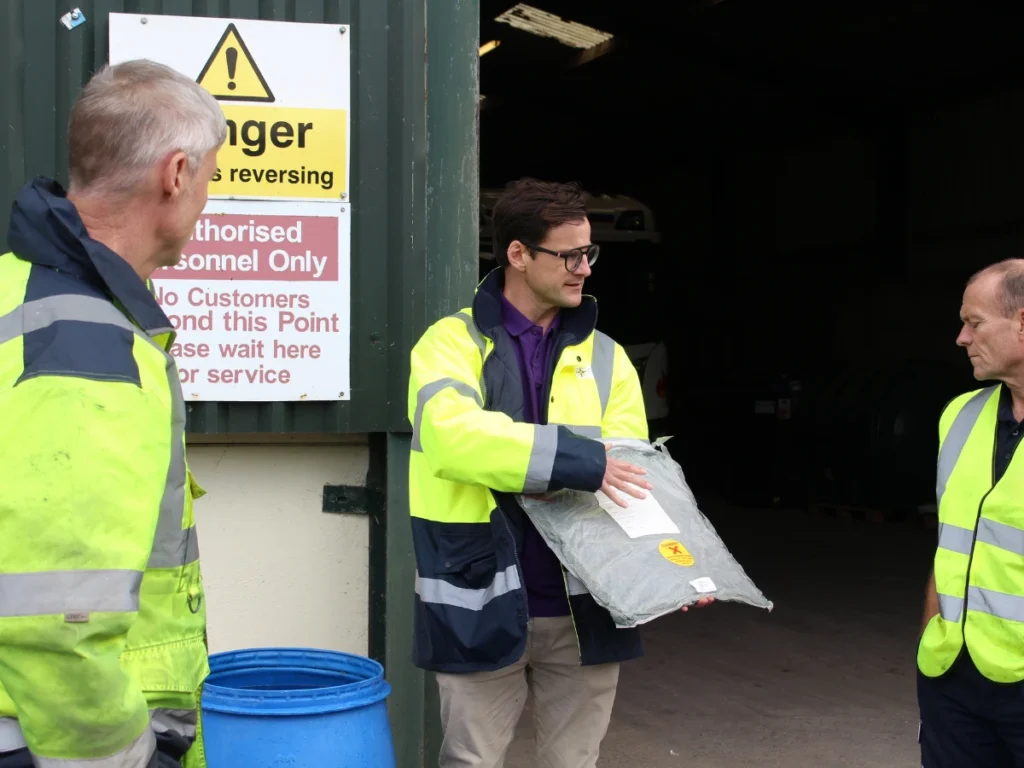
Equipment alone doesn’t prevent pollution — people do.
Without regular spill response training, staff may hesitate, panic or use the wrong equipment. This often leads to slower, less effective containment.
There’s little value in investing in spill kits if employees don’t know:
- When to respond
- How to deploy absorbents and drain protection
- When to escalate or seek specialist support.
Simple toolbox talks and refresher training sessions can dramatically improve confidence and response speed.
Find Out About Darcy’s Accredited Responder Training Courses
Drains Not Identified
Unseen drains are one of the biggest environmental risks.
Unmarked drains allow spills to reach watercourses quickly and often unnoticed, particularly outdoors or in busy yards. Once pollutants enter the drainage system, the incident becomes far more serious and potentially reportable.
Clearly marking drains and including drain protection within spill kits helps teams act immediately to block pathways before contamination occurs.
Buy Drain Tracing and Marking Kits
Wrong Grade of Spill Kits

Not all spills are the same.
Using the wrong type of spill kit can severely limit response effectiveness. For example, oil-only absorbents won’t work on water-based liquids, and general-purpose kits may be unsuitable for hydrocarbons near water.
Spill kits should match the materials stored or handled on site:
- Oil spill kits for absorbing hydrocarbons like fuel, oil and diesel, whilst repelling water
- Chemical spill kits for absorbing corrosive chemicals and hazardous liquids
- Maintenance spill kits for absorbing non-aggressive liquids, hydrocarbons and mild chemicals.
A site-wide spill risk assessment is essential to ensure the correct kits are selected and positioned.
Most Spill Risks Are Preventable
The majority of spill incidents can be avoided, or significantly reduced, through better planning and preparation. Clear signage, well-placed spill kits, trained staff and correctly specified equipment all play a vital role in effective spill response.
By addressing these often-overlooked details, businesses can protect the environment, reduce downtime and demonstrate responsible environmental management.
If you’re unsure whether your spill prevention measures are fit for purpose, speaking to a spill control expert can help identify gaps and ensure your site is properly prepared before an incident occurs.
Sign up for the latest news and offers